Why Sealed Concrete Needs a Different Cleaning Approach
Sealed concrete is a popular choice for driveways, patios, and pool surrounds across Hervey Bay. Whether you have decorative stamped concrete, exposed aggregate, or a smooth trowelled finish, sealing provides a rich, glossy appearance and protects the porous slab beneath from moisture and stains. However, caring for sealed concrete is fundamentally different from maintaining bare, untreated concrete. Treating a sealed surface with the same aggressive cleaning methods used on standard concrete can strip away protective coatings, leaving your surface patchy, dull, and exposed to damage.
The Science Behind the Seal
Bare concrete is porous, acting like a dense sponge that readily absorbs liquids, motor oils, and coastal moisture. When concrete is sealed, a protective membrane—usually an acrylic, polyurethane, https://pressurecleaningherveybay.com.au/house-washing/ or penetrating silane-siloxane compound—is applied to create an impenetrable or water-repellent barrier. In a coastal climate like Hervey Bay, where high humidity, intense UV exposure, and salt-laden sea breezes constantly challenge outdoor surfaces, this sealer acts as the first line of defense.
Because the dirt, mildew, and grime sit on top of the sealer rather than deep inside the concrete pores, the goal of cleaning shifts completely. You are no longer trying to force contaminants out of deep microscopic voids; instead, you are gently removing debris from a sensitive, protective film.
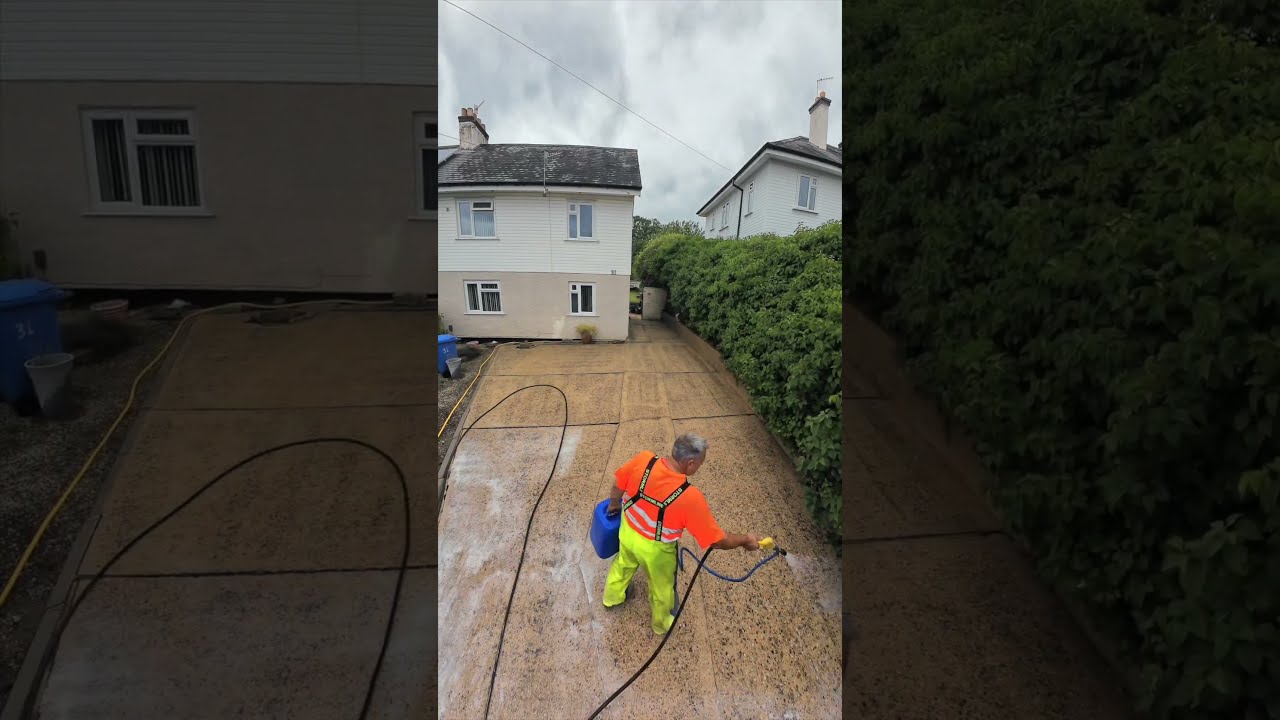
Why Traditional Concrete Cleaning Methods Fail on Sealed Surfaces
Standard concrete cleaning often involves intense mechanical force and aggressive chemistry. When applied to sealed surfaces, these methods quickly lead to premature failure of the coating.
Excessive Water Pressure
High-pressure washing with commercial surface cleaners operating above 3,000 PSI can easily gouge, peel, or blast away acrylic sealers. Once the sealer begins to chip, moisture penetrates beneath the edges of the coating, causing widespread flaking and unsightly white hazing, known as moisture blush.

Harsh Chemicals and Acid Washes
Hydrochloric acid, caustic degreasers, and unbuffered bleach solutions are frequently used to restore neglected bare driveways. On sealed concrete, these substances chemically degrade resin bonds, dissolving the gloss and leaving behind sticky, discoloured patches that trap dirt faster than untreated concrete.
Common Mistakes to Avoid
Maintaining sealed finishes requires steering clear of practices that compromise the topcoat. Homeowners along the Fraser Coast frequently encounter issues by using the wrong tools and products:
- Using rotary turbo nozzles: These pinpoint, spinning water streams focus excessive force on small areas, slicing directly through thin acrylic sealers.
- Scrubbing with wire brushes: Metal bristles scratch the clear coat, creating micro-abrasions that scatter light and make the surface look permanently cloudy.
- Letting bore water dry on the surface: Mineral-rich bore water leaves stubborn scale deposits that bind tightly to sealers, requiring specialised non-acidic treatments to remove safely.
- Applying standard household dish soaps: Many common detergents leave behind a surfactant film that attracts sand and grit blown in from the bay.
The Correct Approach: Gentle Washing and pH-Neutral Chemistry
To safely clean sealed decorative concrete without compromising its integrity, professionals use soft-washing techniques combined with balanced cleaning agents. The priority is lifting biological growth—such as black mould and algae common in Queensland's sub-tropical climate—without breaking down the resin barrier.
- Clear loose debris frequently: Use a soft-bristled broom or an electric blower to remove loose sand and organic matter before it is ground into the surface by foot or vehicle traffic.
- Pre-rinse with low pressure: Wet down the slab using a standard garden hose or a pressure washer regulated to under 1,200 PSI to cool the surface and soften surface dirt.
- Apply a pH-neutral cleaner: Use purpose-formulated concrete wash or specialised mould treatments that break the bond of organic stains without stripping the clear seal.
- Agitate gently: Work stubborn areas using a soft- to medium-stiff polypropylene broom rather than abrasive pads.
- Rinse thoroughly: Wash away all residues with clean water to prevent soap films from drying into cloudy streaks under the Hervey Bay sun.
Preserving Your Investment for 2027 and Beyond
Regular, gentle maintenance not only keeps your outdoor living spaces looking pristine year-round but also dramatically extends the lifespan of your sealer. While bare concrete might withstand brute force, sealed decorative concrete demands care that respects the chemistry of the protective barrier. By adopting a low-pressure, chemical-appropriate routine today, you will protect your concrete from the harsh coastal elements and avoid the costly process of stripping and resealing well into 2027 and beyond.
Hervey Bay Pressure Cleaning
(07) 4120 7305